Opens in a new tab

Injection Molding for Electronics & Data Processing

Industries

Plastic connects the digital world

Electronics & Data Processing
In electronics and data processing, technical plastics perform central functions. They insulate contacts, protect sensitive electronics, and enable delicate connectors as well as highly integrated components. With increasing power density and miniaturization, the demands on temperature resistance, flame retardancy, precision, and electrical properties are growing.
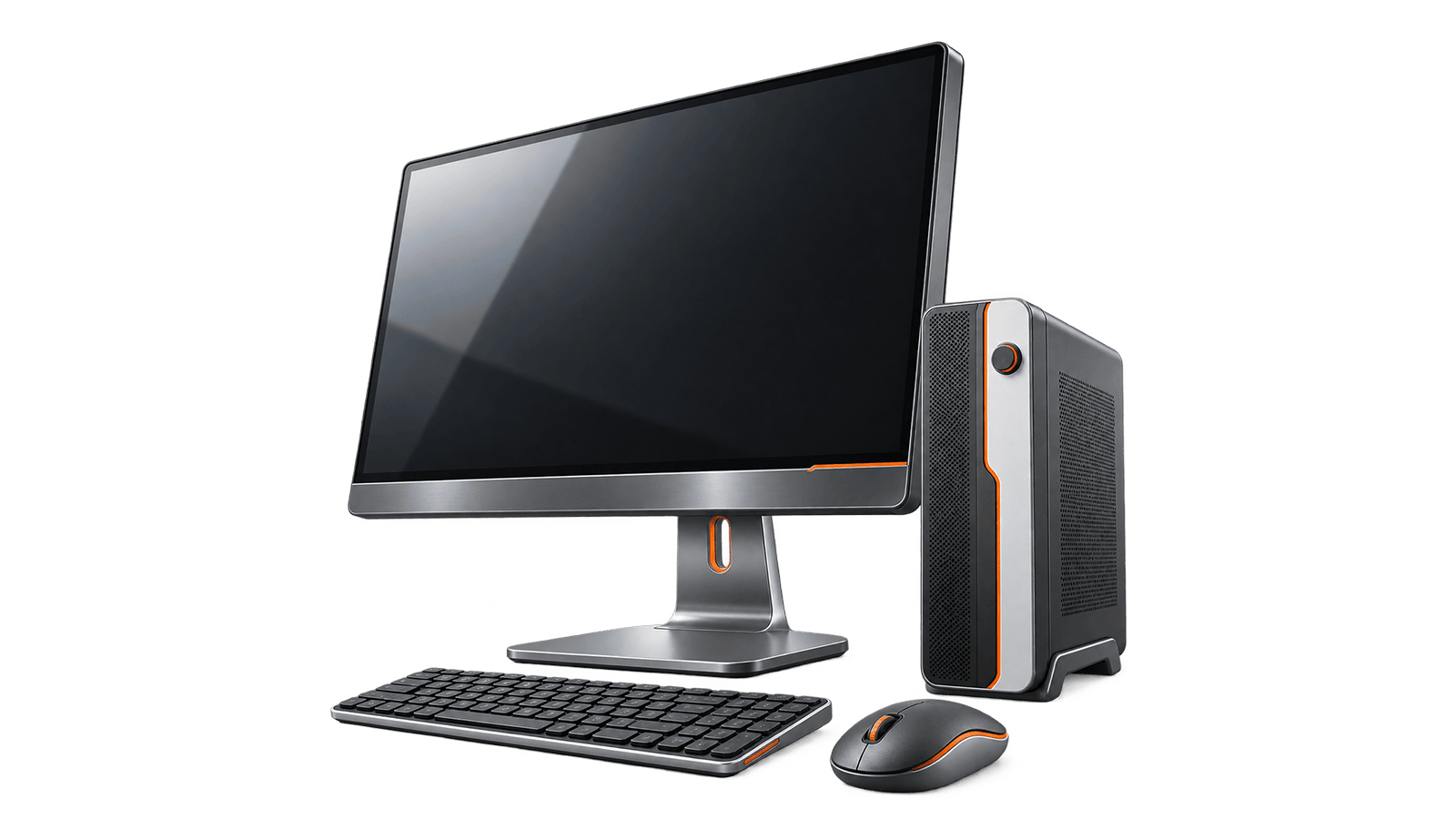
Computer with monitor, keyboard, and mouse as examples of plastic components in electronics
approx. 40% lighter
than aluminum in a 5G RF application.
260 °C
Reflow-capable plastic for optical interconnects.
4.0 million tons
Plastic products and components in the European E&E sector.
224 Gb/s
High-speed connector with LCP insulator.

When miniaturization meets maximum performance

Development Challenges
Electronics are becoming smaller, more powerful, and more densely integrated. This increases the demands on insulation distances, temperature resistance, flame retardancy, precision, and electromagnetic behavior. Material and component design must therefore be considered together from the outset – especially for connectors, sensors, server components, and electrical functional parts.

Miniaturization & Precision

More contacts, functions, and performance must be accommodated in ever smaller spaces. Thin wall thicknesses, small grids, and complex geometries require high-flow materials and reproducible processes.

Electrical Safety & Insulation

Insulating parts must reliably separate even at small distances. Creepage distances, air clearances, voltage, contamination, and material properties must be considered together.

Flame Retardancy & Fire Safety

Electrical faults and high power densities can create ignition sources. Material, wall thickness, and component geometry must therefore match the required fire behavior.

Heat & Power Density

Increasing power in a smaller space increases thermal load. Plastics must permanently maintain their electrical and mechanical function even under heat.

ESD, EMI & Signal Integrity

Plastic does not always have to insulate. Depending on the application, controlled dissipative, conductive, or electromagnetically shielding materials are required – without losing precision and processability.

From Design to Testable Functional Part

With rapid tooling and injection molding in the intended series material, we quickly bring complex electronic components from CAD to reality. This allows fit, assembly, precision, and material behavior to be tested early, and designs to be further developed in a targeted manner.
Check Feasibility

Project communication easier than ever before

Easy Collaboration
No tool compulsion. No unnecessary detours. No complicated coordination processes. We communicate with you in the way that is easiest for you and your team – via Teams, WhatsApp, email, or directly through procurement platforms such as SAP Ariba, JAGGAER, or Cegedim. Because in the end, what matters to us is not the channel we use to communicate, but that information reaches where it is needed quickly – so your project progresses and you get your near-series prototype in your hands faster.

You decide how we communicate

The best communication channel? The one that works for you.
Microsoft Teams
Direct coordination with your project team.
WhatsApp
Quickly clarify a question or exchange information.
Email
For everything that needs to be documented classically.
Partner Platforms
SAP Ariba, JAGGAER, Cegedim, and other established procurement systems.

The process behind it also remains simple

We don't just want to produce quickly. We also want to make the path to the component as uncomplicated as possible.
Fast Onboarding
So we can start together without a long ramp-up phase.
Direct Procurement Processes
We integrate into your existing purchasing and procurement processes.
Less Friction. More Speed.
Clear communication and well-rehearsed processes ensure that decisions can be made faster.
Ready for a straightforward partnership?
We make it as easy as possible for you to get started – in communication, purchasing, and the entire project process.

Materials for performance in the smallest space

Material Expertise for Electronics & Data Processing
In electronics and data processing, material selection determines far more than mechanical stability. Insulation behavior, flame retardancy, heat resistance, moisture absorption, precision, and, if applicable, ESD, EMI, or high-frequency properties must match the specific function of the component.
Black plastic granulate as raw material for manufacturing injection-molded parts

Electrical Insulation & Tracking Resistance

Contact carriers, plugs, switches, and insulators must reliably separate voltages. CTI, dielectric strength, and dielectric properties influence component design.
Typical material directions: PBT, PA, PPA, PPS, LCP, PEI, PPE blends

Flame Retardancy & Heat Resistance

Electronic components can be exposed to electrical and thermal stress. For PCB-near components, the temperature of the soldering process is an additional factor.
Typical material directions: FR-PBT, FR-PA/PPA, PPS, LCP, PEI, PC/ABS-FR

Dimensional Stability & Low Moisture Absorption

Small grids, contact positions, and precise fits are sensitive to warpage and moisture. Stable electrical properties and low water absorption are crucial.
Typical material directions: PBT, PPS, LCP, PPA, PEI, PEEK

ESD, Conductivity & EMI Function

In electronics manufacturing and sensitive assemblies, electrostatic discharge and electromagnetic interference can be critical. Materials can be specifically modified to be dissipative, conductive, or EMI-shielding.
Typical material directions: ESD-/CF-/CNT-modified compounds based on PEEK, POM, PC, PA, PPS

Precision & Thin Walls

Miniaturized connectors, CPU sockets, and sensor components require high flowability, low deformation, and sufficient strength for very small geometries.
Typical material directions: LCP, PPA, PPS, PBT, high-flow GF compounds

Signal Integrity & HF Properties

For high-speed data connections, the dielectric constant and loss factor of the plastic can influence signal transmission.
Typical material directions: LCP, special PPE/PPO systems, PEI, and HF-optimized compounds

Material Examples

PBT · PA · PPA · PPS · LCP · PEI · PPE blends · FR compounds · ESD- & EMI-modified materials.
Special requirements for your component?
We will jointly examine which material and solution suit your component, the electrical requirements, and the application area.

Faster to a near-series component

Why priomold
When development time, costs, and informative value are crucial, you need a partner who can react quickly and flexibly. With rapid tooling, we combine short lead times with near-series injection molded parts – ideal for prototypes, tests, and small series.

Rapid Tooling

Develop quickly and flexibly
Our aluminum tools enable short tool lead times between 2 and 8 weeks depending on your priority and quick adjustments during the development phase.

Prototypes from 5 days

When every week counts
For particularly urgent projects, initial injection molded prototypes can be realized within one week.

Near-series Materials

Validate under realistic conditions
We manufacture components in the intended series material, allowing function, haptics, dimensional accuracy, and material behavior to be realistically evaluated – much closer to series application than with mere visual models.

FAQs on Electronics & Data Processing

Frequently Asked Questions
Answers regarding plastics for insulation, ESD, temperature, precision, and electronic assemblies.

Plastics can be used, for example, as housings, insulators, connector bodies, coil formers, carriers, or precise functional elements. Depending on the material, electrical, mechanical, and thermal requirements can be specifically combined.

Yes. We always consider material selection in conjunction with the specific application. Factors such as electrical properties, temperature resistance, mechanical stress, geometry, and processing play a role. This allows for early assessment of which material is suitable for the component and the planned tests.

Yes. Specially modified compounds can have dissipative or conductive properties. It is crucial that the required resistance range matches the ESD concept and the specific application.

Various engineering and high-performance plastics are available for this purpose. Key factors are continuous and peak temperature, as well as the mechanical, electrical, and processing requirements of the component.

Yes. With insert technology, pins, plug contacts, busbars, sheets, or bushings, for example, can be directly integrated into the plastic component. This allows complex plastic-metal hybrid components to be realized through injection molding even in the prototype and small series production stages.

For small and delicate geometries, wall thicknesses, flow paths, shrinkage, tolerances, and tool design can be crucial. Therefore, we consider the material, component geometry, tool, and injection molding process together as early as possible and check the design for feasibility before tool construction.

Haven’t found the right answer yet?
Just write to us — we will be happy to help you!
Freigestelltes Porträt von Tobias Camek, Leiter Kundenmanagement bei priomold
Still have questions about your electronics project?
Tobias will be happy to help you if you have questions about the material, insulation, ESD, precision, or technical implementation of your component.
Tobias Camek
Head of Customer Management
Contact Tobias

Or write to Tobias at t.camek@priomold.de

Quick response
Personal contact
Clear, straightforward answers