

Injection Molding for Automation & Robotics
Plastic brings movement to automation
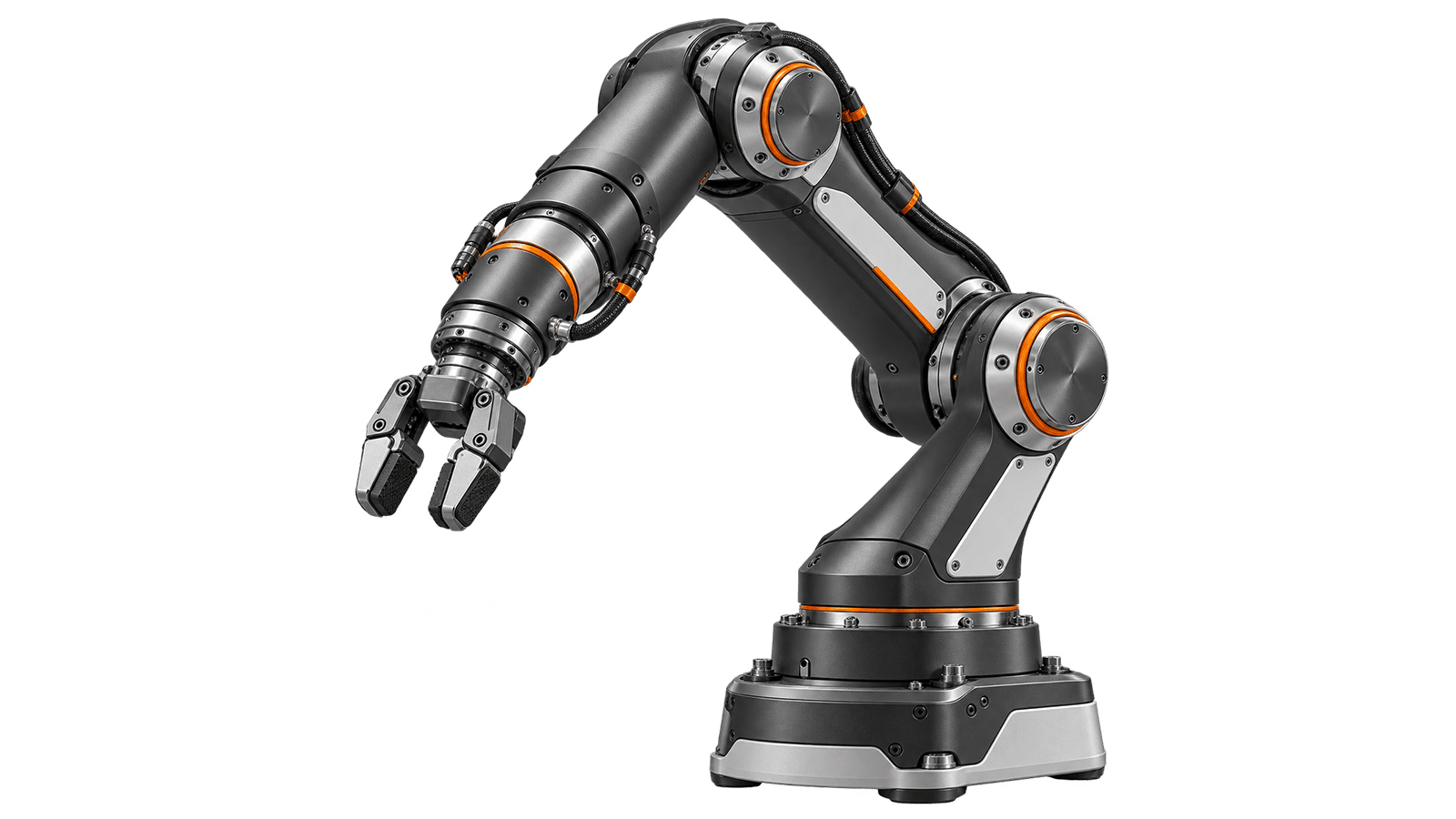
When every movement must be perfect
Dynamics & Moving Mass
Precision & Repeatability
Wear & Continuous Motion
Cables in Motion
Human & Robot
Environment & Cleanliness
From Design to Moving Functional Part
Project communication easier than ever before
You decide how we communicate
The process behind it also remains simple
Materials for Precise Movement
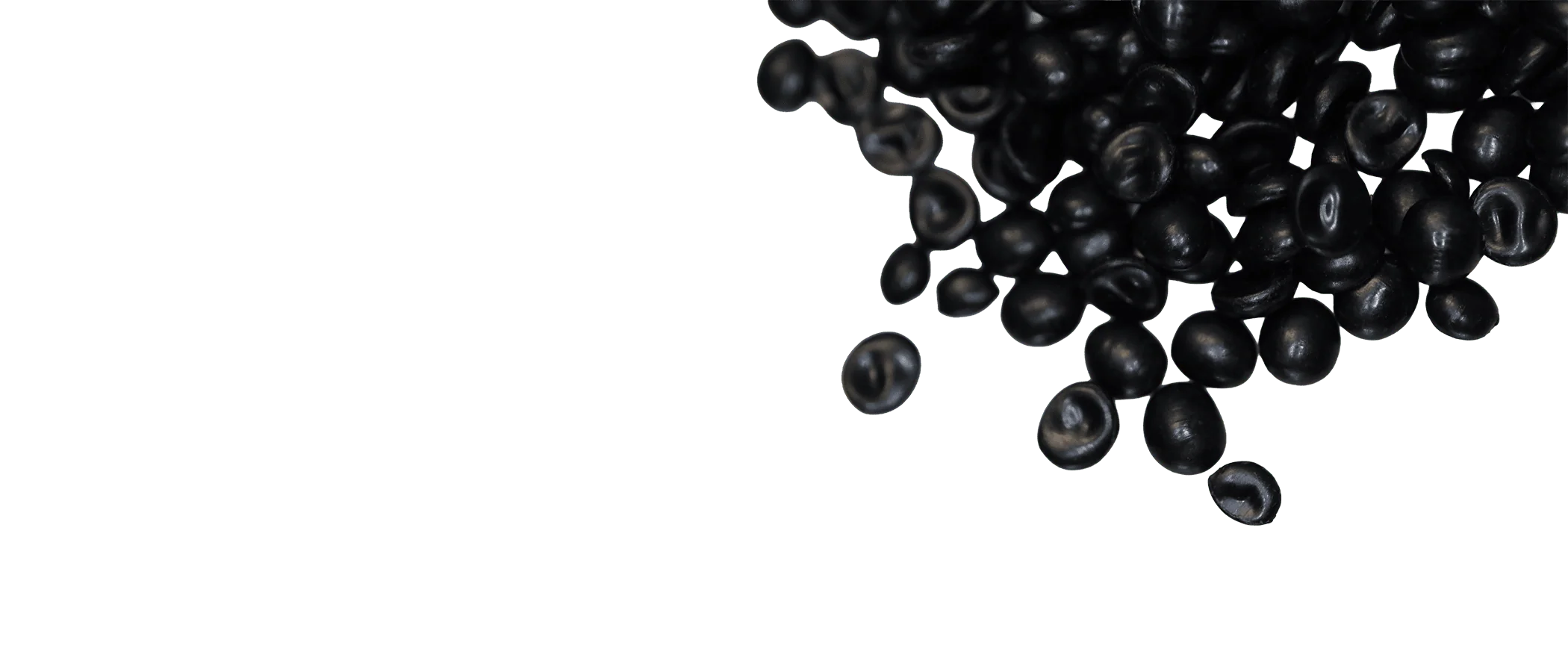
Lightweight & Heavy-Duty
Wear-Resistant & Low-Friction
Dry Running & Self-Lubrication
Dimensional Stability & Shape Retention
Damping & Smooth Running
Resistant in the Operating Environment
Material Examples
Faster to the Production-Like Component
Rapid Tooling
Prototypes from 5 days
Production-Like Materials
FAQs on Automation & Robotics
Where can plastics be used in robotics and automation?
Typical applications range from guide, bearing, and sliding elements to gripper components and housings, as well as functional parts in moving assemblies. Crucial for the design are movement, load, speed, and the respective operating environment.
How can plastic reduce moving mass?
Due to the lower density of many plastics, the weight of moving components can be significantly reduced with a suitable design. Especially for grippers, handling elements, or fast-moving assemblies, a lower mass can offer advantages for dynamics and energy requirements.
Does priomold assist in selecting plastics for sliding and wear applications?
Yes. Depending on the application, tribologically optimized materials can be used for dry-running sliding and bearing functions, for example. When selecting materials, we consider factors such as mating partners, surface pressure, speed, temperature, and the specific component geometry.
What role does dimensional stability play in dynamic applications?
For guides, grippers, or positioning elements, even small geometric changes can affect function. Therefore, factors such as temperature, moisture absorption, continuous load, shrinkage, and wear should be considered during material and component design.
Can priomold also process reinforced plastics for high-load components?
Yes. We process glass- and carbon-fiber-reinforced thermoplastics, among others. This allows stiffness and mechanical properties to be specifically adjusted. Which material is appropriate depends on the load case, geometry, and functional requirements of the component.
Can I first test robotics or automation components at priomold under production-like conditions?
Yes. With Rapid Tooling, we manufacture real injection-molded parts from production-like or intended materials. This allows you to check, for example, fit, movement, assembly, load capacity, and material behavior under realistic conditions before making a final production decision.

Or write to Tobias at t.camek@priomold.de