Injection molding for infrastructure & energy

Industries

Plastics power infrastructure & energy
Infrastructure & Energy
In the energy and infrastructure sector, engineering plastics and high-performance polymers are indispensable enablers. They provide electrical insulation, corrosion resistance, weather resistance, flame retardancy, low weight, design freedom, and a long service life. Typical applications include switchgear components, connectors, housings, cable protection, charging infrastructure, battery and storage systems, as well as components for renewable energy systems.
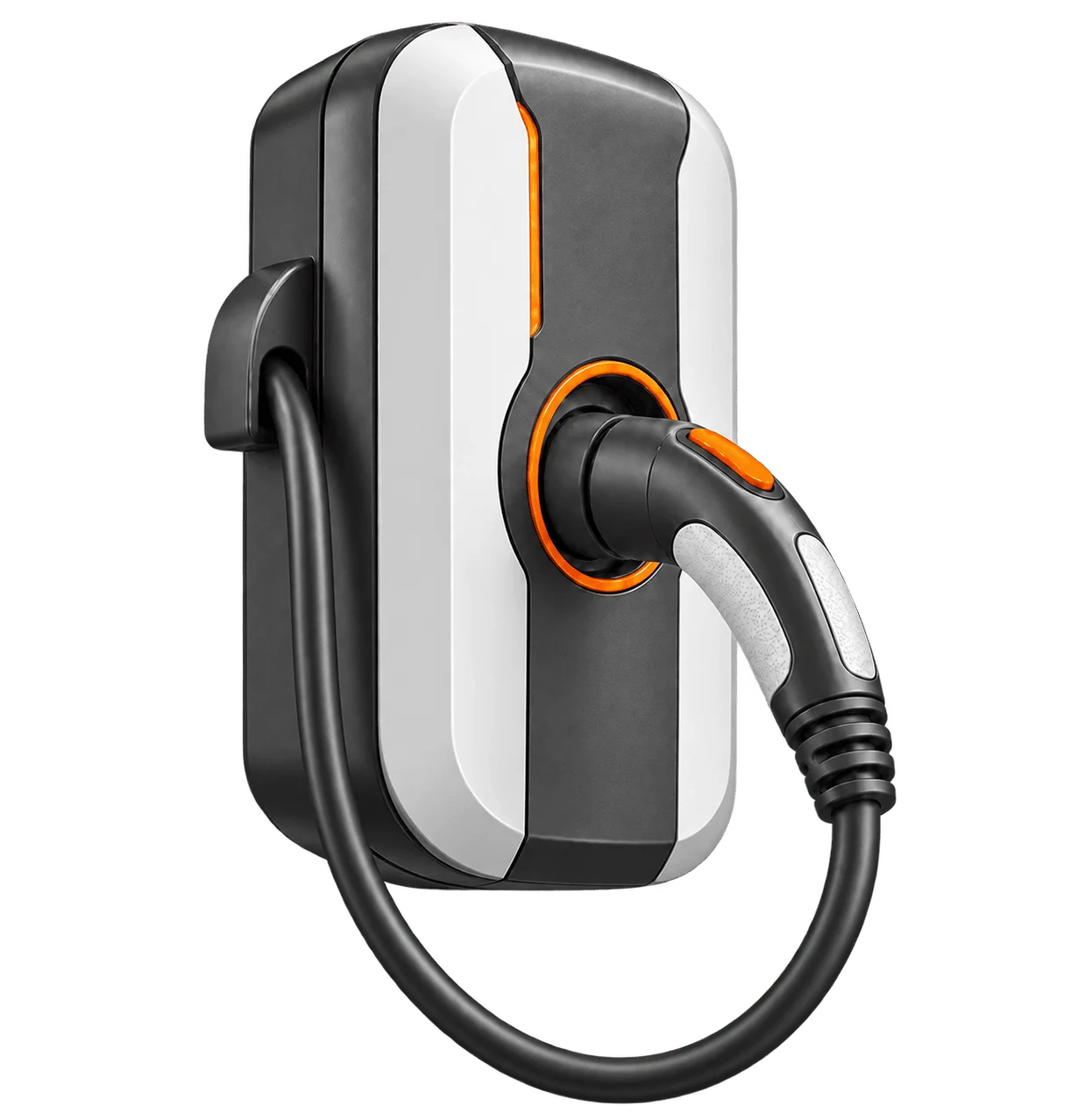
EV charging station with plastic housing and charging plug
> 2/3
Plastics in gas distribution pipelines.
≥ 100 years
Design target for modern PE piping systems.
6–30 kV
extruded insulated medium-voltage cables.
up to 45 bar
Plastic piping systems for H₂/CH₄ investigated.

Plastics deliver reliability – for decades

Development challenges
Infrastructure and energy systems must reliably withstand extreme conditions – while maintaining high availability and long life cycles. Engineering plastics provide measurable advantages in corrosion resistance, service life, safety, and cost-effectiveness.

Corrosion-resistant

Plastics are resistant to corrosion from water, salts, acids, and many chemicals – ideal for use in aggressive environments such as seawater, wastewater, or raw material extraction.

50+ years

Depending on the material, design, and operating conditions, engineering plastic solutions can achieve service lives of more than 50 years – with low maintenance requirements.

Reduce operating costs

Longer service intervals, less maintenance, and lower weight lead to lower life cycle costs (LCC) across the entire operation.

Save resources & energy

Lightweight components and low-maintenance systems reduce energy consumption and CO₂ emissions – an important contribution to sustainable infrastructure and the energy transition.

From design to a robust functional part

With rapid tooling and injection molding in the intended production material, we make technical components real and testable quickly. This allows fit, mechanical function, and behavior under application-like conditions to be checked early and optimized in a targeted manner.
Check feasibility

Project communication made easier than ever

Easy collaboration
No mandatory tools. No unnecessary detours. No complicated coordination processes. We communicate with you in the way that is easiest for you and your team – via Teams, WhatsApp, email, or directly via procurement platforms such as SAP Ariba, JAGGAER, or Cegedim. Because in the end, what matters to us is not which channel we use, but that information gets to where it is needed quickly – so your project moves forward and you can hold your production-like prototype in your hands sooner.

You decide how we communicate

The best communication channel? The one that works for you.
Microsoft Teams
Direct coordination with your project team.
WhatsApp
Quickly clarify a question or exchange information.
Email
For everything that needs to be documented in the traditional way.
Partner platforms
SAP Ariba, JAGGAER, Cegedim, and other established procurement systems.

The process behind it stays simple, too

We do not just want to manufacture quickly. We also want to make the path to the part as straightforward as possible.
Fast onboarding
So we can get started together without a long ramp-up phase.
Direct procurement processes
We integrate into your existing purchasing and procurement processes.
Less friction. More speed.
Clear communication and well-established workflows ensure that decisions can be made faster.
Ready for a partnership without detours?
We make it as easy as possible for you to get started – in communication, procurement, and the entire project process.

Materials tailored to the application

Materials expertise for infrastructure & energy
In infrastructure and energy applications, it is not the plastic alone that determines success, but the interaction of material properties, part geometry, and the manufacturing process. We select and process materials to match the mechanical, thermal, electrical, and chemical requirements of your application.
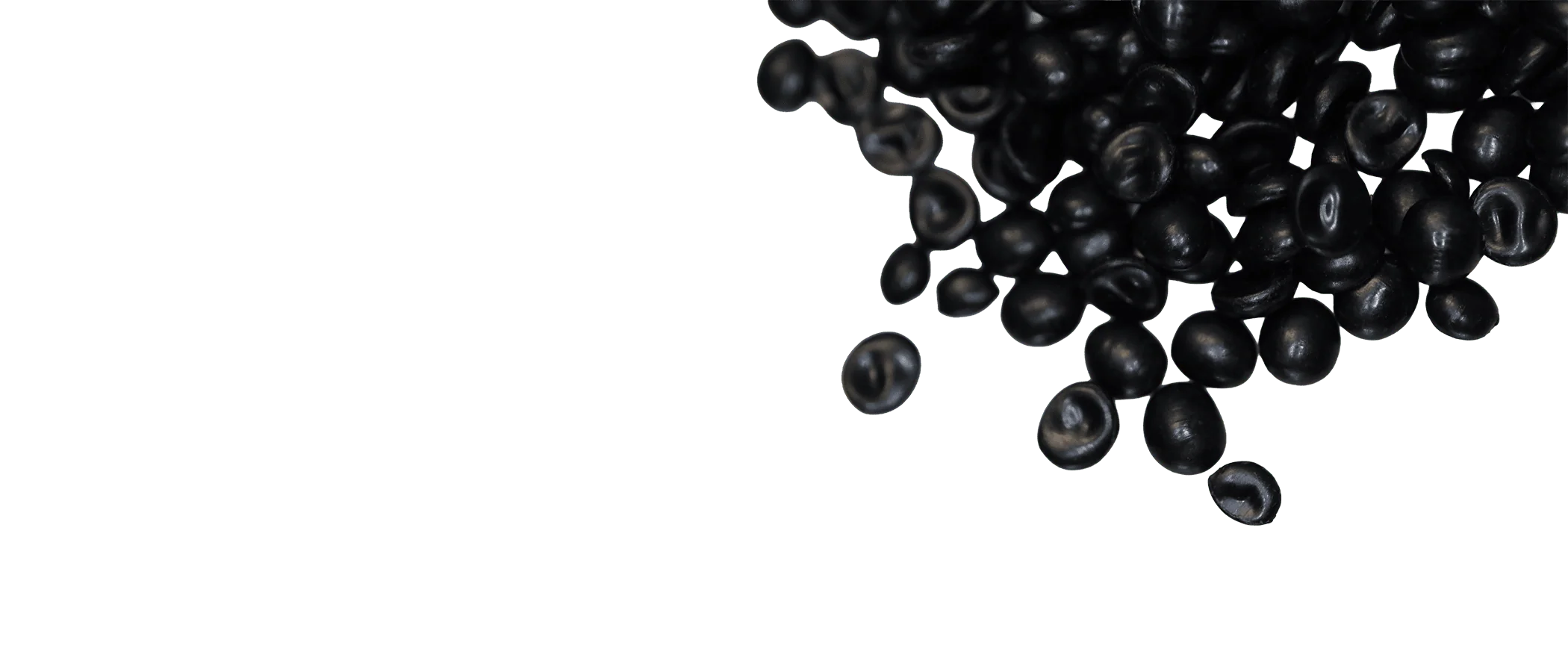
Black plastic granulate as raw material for manufacturing injection-molded parts

Long-term pressure & environmental stress cracking resistance

Buried gas and water pipelines must reliably withstand internal pressure, installation loads, and slow crack growth over long service lives.
Typical material families: PE, PA-U

Electrical insulation & tracking resistance

For connectors, switchgear, cable accessories, and insulators, the insulating function must be maintained even under moisture, contamination, and electrical stress.
Typical material families: PBT, PA, PPS, PEI, LCP

Flame retardancy & heat resistance

Electrical components may be exposed to ignition sources and elevated temperatures. Suitable materials must reliably withstand fire behavior and thermal loads.
Typical material families: FR-PBT, FR-PA, PPS, PEI, flame-retardant cable compounds

UV, ozone & weather resistance

Outdoor components must withstand sun, moisture, ozone, and temperature fluctuations over the long term without becoming brittle or losing properties.
Typical material families: UV-stabilized PE/PP, PVDF, ASA

Chemical & corrosion resistance

Water treatment, electrolysis, power plant engineering, as well as gas and process infrastructure may contain aggressive media. The material must remain chemically resistant and corrosion-free over the long term.
Typical material families: PE, PP, PVDF, ECTFE, PPS, PEEK

Structural strength & lightweight design

Fiber-reinforced thermoplastics enable lightweight, high-load injection-molded parts. They offer potential for metal substitution, functional integration, and a reduction in part count and assembly effort.
Typical material families: PA-GF, PBT-GF, PPA-GF, PPS-GF

Material examples

PE · PP · PA · PBT · PPS · PEI · PVDF · ECTFE · PEEK · glass-fiber-reinforced, flame-retardant, and electrically modified compounds.
Special requirements for your component?
Together, we will assess which material and which process are suitable for your infrastructure & energy application.

Faster to a production-like part

Why priomold
When development time, costs, and meaningful results are critical, you need a partner who can respond quickly and flexibly. With rapid tooling, we combine short lead times with production-like injection-molded parts – ideal for prototypes, testing, and small series.

Rapid tooling

Develop quickly and flexibly
Our aluminum molds enable short tooling lead times of between 2 and 8 weeks, depending on your priority, and fast adjustments during the development phase.

Prototypes from 5 days

When every week counts
For particularly urgent projects, initial injection-molded prototypes can be realized within a week.

Production-like materials

Validate under realistic conditions
We manufacture parts in the intended production material, allowing function, feel, dimensional accuracy, and material behavior to be assessed realistically – much closer to the series application than with purely visual models.

FAQs on infrastructure & energy

Frequently Asked Questions
Answers on plastics for electrical insulation, weathering, media, temperature, and durable technical components.

Depending on the application, plastics can insulate, protect, guide, seal, or perform mechanical functions. Typical requirements range from electrical properties and resistance to media and weathering to high mechanical load capacity.

Yes. We consider, among other factors, UV radiation, temperature, humidity, mechanical loads, and the planned service life. Based on this, suitable and, if necessary, stabilized material types can be selected for prototypes and production-like testing.

Yes. In suitable applications, engineering plastics can combine mechanical functions and electrical insulation in a single component. The key is to match material, geometry, and the required electrical characteristics to the specific application.

We always assess media resistance in conjunction with temperature, concentration, exposure time, and mechanical loads. This makes it possible to evaluate, already during development, which materials are suitable for the intended operating conditions.

Yes. We also process engineering plastics and compounds with flame-retardant properties. Which material solution is suitable depends, among other factors, on the application, part thickness, temperature exposure, and the required classifications.

Yes. Using insert molding, for example, busbars, contacts, sheet metal parts, or threaded inserts can be overmolded directly. This allows mechanical and electrical functions to be combined in a hybrid component already at the prototype and small-series stage.
Haven’t found the right answer yet?
Just write to us — we will be happy to help you!
Freigestelltes Porträt von Tobias Camek, Leiter Kundenmanagement bei priomold
Any more questions about your energy project?
Tobias will be happy to help if you have questions about materials, insulation, resistance, or the technical implementation of your component.
Tobias Camek
Head of Customer Management
Contact Tobias

Or email Tobias at t.camek@priomold.de

Quick response
Personal contact
Clear, straightforward answers