

Injection moulding for manufacturing & process engineering
Plastics keep processes moving
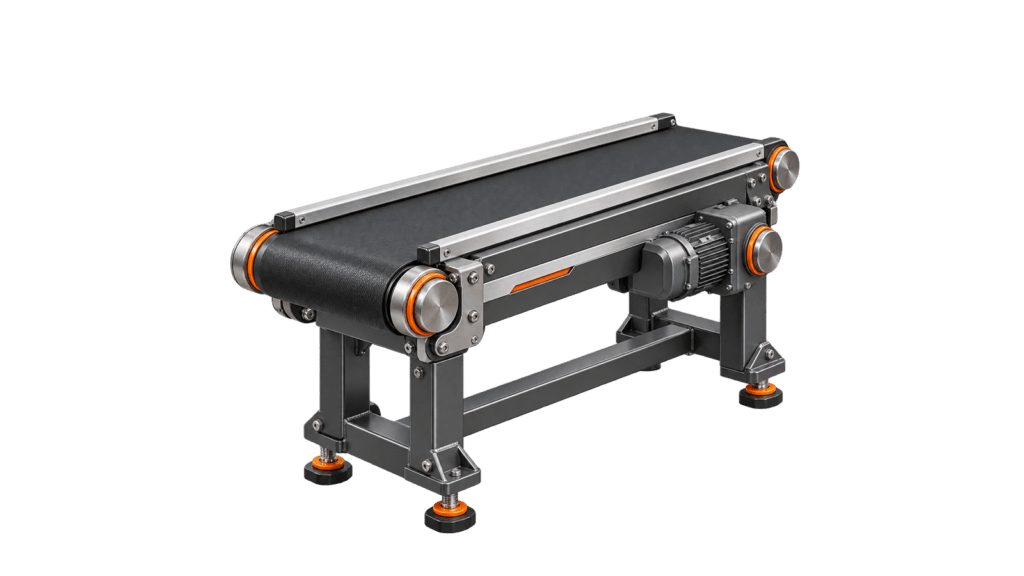
When downtime is not an option
Wear & continuous operation
Friction & lubrication
Chemicals & process media
Temperature & cleaning
Precision & dimensional stability
Hygiene & product safety
From process requirements to a production-like component
Project communication made easier than ever
You decide how we communicate
The process behind it stays simple, too
Materials for continuous-operation processes
Wear-resistant & low-friction
Dry running & low dependence on lubrication
Chemical & corrosion resistance
Temperature & hydrolysis resistance
Dimensional accuracy & dimensional stability
Hygiene & detectability
Material examples
Faster to a production-like component
Rapid tooling
Prototypes from 5 days
Production-like materials
FAQs on manufacturing & process engineering
Which plastics are suitable for permanently moving components?
For guides, bearings, rollers, or sliding elements, friction and wear are key selection criteria. In addition, load, speed, mating material, temperature, and the specific operating environment must be taken into account.
Can plastics reduce the need for lubrication?
Yes. Tribologically optimised plastics can enable sliding points without external lubrication in suitable applications. However, whether dry running is advisable depends on load, speed, mating material, temperature, and geometry.
Does priomold support the selection of media-resistant plastics?
Yes. We always assess resistance in relation to the specific process medium. Factors include concentration, temperature, exposure time, and mechanical load. On this basis, suitable materials can be selected for prototypes and production-like testing.
Which plastics are suitable at elevated temperatures?
Depending on temperature and load, different engineering and high-performance plastics are available. In addition to continuous and peak temperatures, mechanical load, process media, and, where applicable, cleaning processes must also be considered.
How does priomold support precise guide, dosing, or sealing components?
We consider the material and component geometry together. Manufacturing tolerances, thermal expansion, moisture absorption, creep behaviour, and continuous load can affect later function. That is why we review critical areas for injection-moulding feasibility before toolmaking.
What information does priomold need for a feasibility assessment?
Most helpful are 3D data or drawings, as well as details on function, load, temperature, movement, process media, and the desired quantity. On this basis, we can evaluate material, component geometry, and tool concept, and support you in designing for injection moulding.

Or email Tobias at t.camek@priomold.de